


Agbara Nla: The Return Proves Nollywood Was Wrong About Faith-Based Films and December Blockbusters

Some movies entertain you, some remind you of a time you can never get back, and a rare few make you wonder why the film industry has not produced more stories like them. Agbara Nla: The Return belongs in that conversation. The return of Mike Bamiloye as Isawuru brings back memories of a production that left a lasting impression on Christian audiences, but this is more than a journey into nostalgia. It is a reminder that Christian films can command attention, inspire serious conversations, and compete for a place among Nigeria’s most memorable cinematic experiences. What makes this return particularly exciting is the ambition behind it. At a time when Nollywood continues to explore bigger budgets, wider audiences, and more daring stories, a faith-based production stepping forward with such a recognisable legacy challenges the assumption that Christian movies must remain within a limited audience.
The bigger question, however, is whether Agbara Nla: The Return has achieved success on the strength of the film itself or the emotional connection audiences already have with the original. Nostalgia can bring people into cinemas, but it cannot sustain a film that gives them little reason to stay invested. The performances, storytelling, production quality, pacing, and visual effects all matter when audiences begin to judge a movie beyond its name. That is where the conversation around this release becomes especially important. Christian filmmakers have spent years building audiences through stories of faith, spiritual conflict, sacrifice, and redemption. A production with the cultural recognition of Agbara Nla has an opportunity to show that these themes can be presented with the scale, confidence, and cinematic ambition that modern audiences expect. Its greatest achievement would be to satisfy longtime admirers while convincing a new generation of viewers that faith-based storytelling deserves a place at the centre of Nollywood’s creative conversation.
Mike Bamiloye’s return as Isawuru is another reason this film deserves attention. Memorable antagonists do not disappear simply because the credits have rolled, and Isawuru remains an instantly recognisable figure for audiences familiar with the original story. Bringing such a character back creates an enormous expectation, because viewers are not merely watching an actor reprise a role. They are revisiting a character whose presence helped define their experience of the earlier production. Yet the real test is whether the return gives audiences something meaningful beyond recognition. A compelling antagonist needs more than a familiar face. The character must command the screen, create tension, and give the story a reason to unfold. If Agbara Nla: The Return succeeds in doing that, it strengthens the argument that Nigerian Christian cinema can develop characters with the staying power of those found in mainstream commercial films. It also raises an exciting possibility: what other classic faith-based stories could find new life through carefully planned returns?
Perhaps the most important conversation concerns what this release could mean for the future of Nollywood. If its box-office performance demonstrates that audiences are willing to pay for a well-positioned Christian film, producers may have to reconsider the idea that commercially ambitious releases must depend on December’s festive season. Strong storytelling, an established audience, effective promotion, and a compelling theatrical experience can create opportunities at other times of the year. That possibility matters because a thriving film industry needs more than one successful formula. Agbara Nla: The Return has the potential to strengthen the case for faith-based cinema as a serious commercial and creative force, while reminding filmmakers that an audience built on years of trust should never be taken for granted. The question is no longer simply whether a Christian movie can attract attention. It is whether Nollywood is ready to recognise the full commercial and artistic possibilities of the genre. And if this comeback delivers on its promise, audiences may have every reason to demand more.
“Like Bien, we do not offer this recommendation timidly. For believers who want a film they can watch, discuss and share with a clear conscience, Agbara Nla: The Return is the one to see this season.”
We are not alone in this conclusion. BusinessTech Nigeria, an independent digital business and technology publication, ran an opinion column by Grey Bien on October 14 that also gives Agbara Nla: The Return five stars. Bien calls his endorsement “unequivocal” and awards the stars “for the ambition, the legacy and the opportunity,” so, like this article, he rests his verdict on purpose and impact and not on a technical scorecard. The column urges believers to see the film in cinemas, to bring family and friends, and to buy tickets for those who cannot afford them, without pressure, and it asks churches and fellowships to organise group outings. It defends fiction in Christian film by pointing to the parables of Jesus, and it argues that quality, integrity of message and effect on viewers matter more than whether a story is invented. It also adds a caution we share: a Christian label does not guarantee quality, and encouragement should come with discernment. The column cites the early box-office figures, more than ₦71 million from 12,134 preview admissions and ₦170.6 million after four days, and itself calls them reported and not audited, “encouraging evidence, not a guarantee.” Its closing challenge is “to move from applause to participation.” Bien’s five stars and his plain call for believers to go and watch say what we say: this is a film every Christian should see in the cinema. When a business and technology publication stands with the church on a faith film in this way, it shows that the film’s reach has gone beyond the pews, and we stand with him without reservation. Go, take your family, and bring someone who has never seen it.
Let’s Take a Look at the film itself versus nostalgia. Did Agbara Nla: The Return succeed because it is a great film, or because audiences have never forgotten the original? That is one of the most interesting questions surrounding this comeback. Nostalgia may bring viewers back, but it takes more than familiar faces and cherished memories to make a film worth celebrating. The real achievement lies in giving audiences a reason to fall in love with the story all over again. For a Christian film to generate this level of conversation, it challenges the idea that faith-based productions must settle for modest ambitions. Agbara Nla: The Return puts an important question before Nollywood: what happens when a beloved Christian story returns with the ambition to compete for the attention of an entirely new generation?
The film’s box-office performance raises a bigger question about the business of Christian filmmaking in Nigeria. For years, faith-based productions have built loyal audiences through stories of spiritual warfare, sacrifice, redemption, and the power of God. But can that loyalty translate into the kind of commercial success that attracts major investors and encourages bigger productions? If Agbara Nla: The Return can draw audiences into cinemas and deliver an experience they consider worth paying for, it offers a compelling argument for taking the genre more seriously. Christian audiences are not simply looking for messages they already believe in. They also want engaging stories, convincing performances, strong production values, and films they can confidently recommend to others. That is the opportunity this release represents, and it could be far bigger than one movie.
Mike Bamiloye’s return as Isawuru deserves its own conversation. Some characters remain in the minds of audiences long after the original film has ended, and the return of a recognisable antagonist can be just as exciting as the return of a beloved hero. Isawuru carries the weight of audience memories and the expectations that come with revisiting a character from a landmark Christian production. But recognition alone is not enough. The real test is whether the character still commands attention, creates tension, and gives viewers compelling reasons to remain invested in the story. A successful return would demonstrate the value of creating unforgettable characters in Christian cinema, while opening the door for Nollywood producers to revisit other established stories. It also invites a debate: can a villain sometimes become the most enduring reason audiences remember a film?
Beyond its legacy, Agbara Nla: The Return invites audiences to examine the production itself. Do the performances, pacing, visual effects, and overall filmmaking justify the excitement surrounding the release? These are essential questions because a powerful message should not exempt a movie from the standards expected of great cinema. If Christian filmmakers can combine meaningful storytelling with technical excellence, they can expand their reach without sacrificing their convictions. There is also the question of timing. Nollywood has traditionally placed enormous importance on the December movie season, but a successful release outside that window could encourage producers to explore other opportunities throughout the year. Ultimately, Agbara Nla: The Return represents a chance to challenge assumptions about what Christian films can achieve. If it delivers on its promise, the conversation should extend beyond nostalgia and box-office numbers to a more exciting possibility: that faith-based Nollywood films can become major cinematic events in their own right.
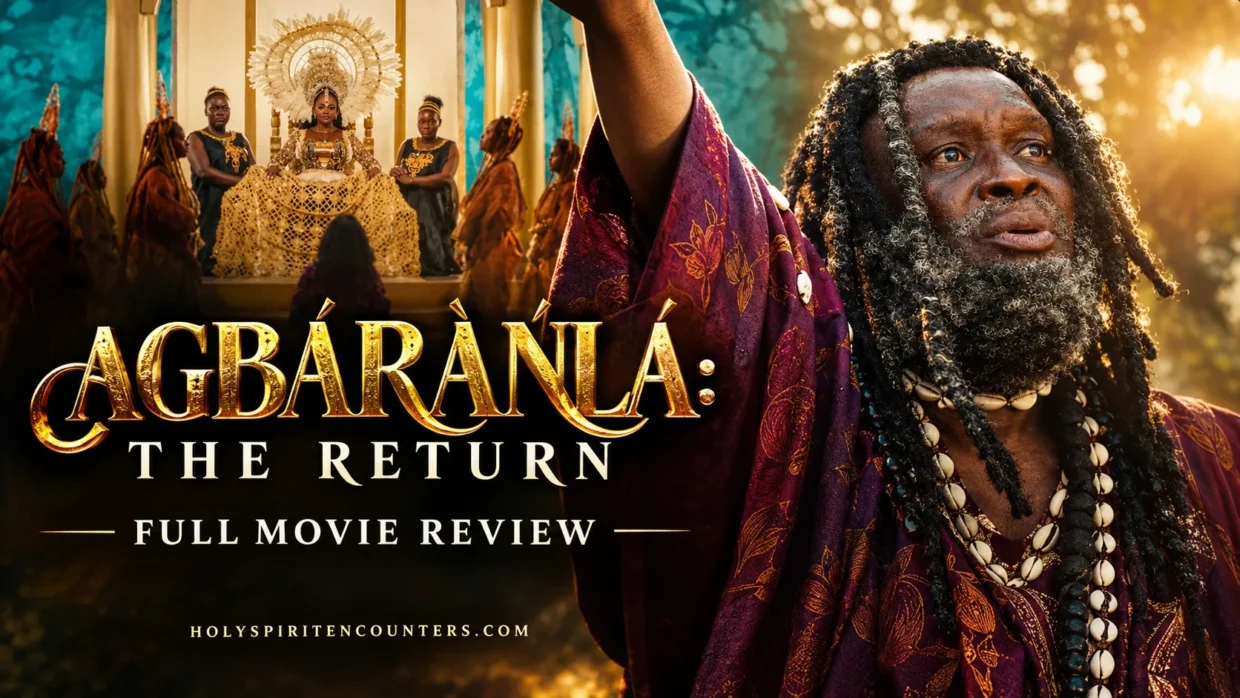
Agbara Nla: The Return Review: What Mount Zion’s Cinema Comeback Means for Christian Film
For many Nigerians who grew up in the 1990s, Agbara Nla was less a film than a memory that refused to fade. NTA’s retrospective on the return recalls a story of spiritual warfare that stayed with viewers long after the credits, and it names Isawuru and Ayamatanga among the characters that left the deepest impressions.
On October 1, 2026, that story came back to the screen as Agbara Nla: The Return. According to the official film website, it is a reimagining of the Mount Zion classic, now playing in cinemas, made by two sons of the man who created the original.
That alone would justify a careful look. But three things make this release more than a nostalgia event. A ministry-born production that travelled through television and home video has reached nationwide cinema. The creative leadership has passed from the founder to the next generation of his family. And the film has opened a public conversation about what Christian storytelling can look like in commercial cinema.
A note on method. This article is a researched critical analysis built from the official film materials, news reporting and filmmaker interviews published to date. It does not rest on a firsthand screening, so it does not describe scenes, performances or audience reactions that credible sources have not reported. Where a claim comes from the filmmakers themselves, the text says so.
Provisional position. On the public record alone, the film’s significance is already clear. A Christian drama that began as a ministry project, survived a collapsed first attempt, found its audience on television and video, and has now been released in cinemas under the direction of the founder’s sons is a genuine milestone. Whether it earns its place as cinema, on the strength of its writing, performances and craft, is a separate question. Reputation will not settle it, and the later sections treat it on evidence.
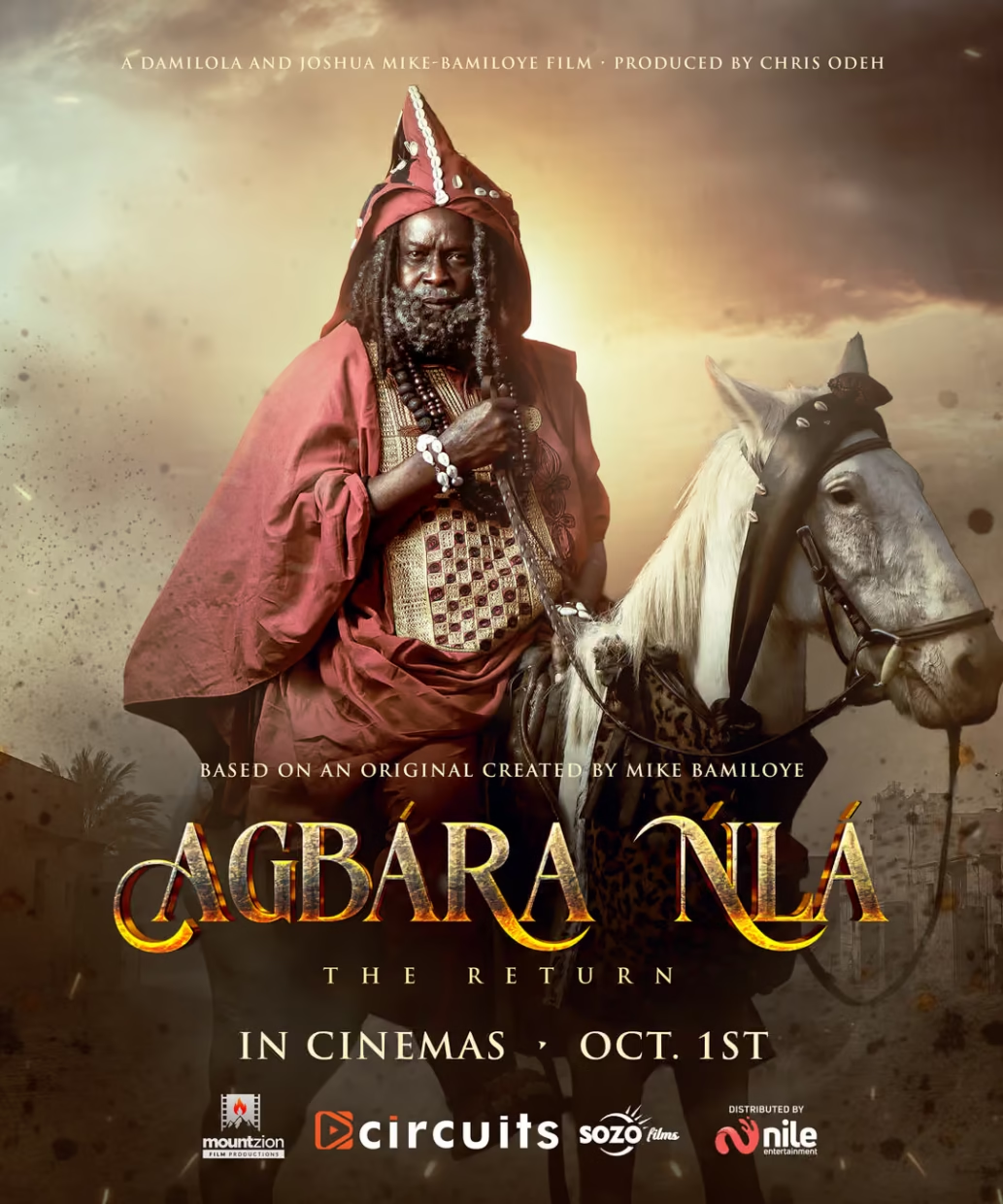
The film at a glance
- Title: Agbáraǹlá: The Return is the official styling. Most press coverage writes Agbara Nla: The Return, and some uses Agbaranla.
- Cinema release: nationwide, October 1, 2026, per the official site.
- Directors: Damilola Mike-Bamiloye and Joshua Mike-Bamiloye.
- Producer: Chris Odeh.
- Original creator: Mike Bamiloye.
- Production: Mount Zion Film Productions, in association with Circuits and Sozo Films.
- Languages: Yorùbá and English.
- Genre: drama, faith.
- Runtime: not stated. The official page showed the runtime as to be confirmed when I checked it on October 13, 2026.
- Classification: not verified.
- Trailer: an official trailer of 2 minutes 18 seconds is hosted on the official site.
Distribution deserves its own note, because the sources disagree. In pre-release coverage, The Guardian Nigeria reported in June that nationwide distribution would be handled by Blue Pictures Distribution, and Arise carried the same line. A separate wire report of the Circuits announcement was more cautious, saying distribution discussions were advancing and included Blue Pictures Limited. After release, the official website credits Nile Entertainment as distributor, and a Mount Zion Institute report refers to Nile Distributors. None of the sources I could read explains the difference, so this article treats the distributor named on the official channels as authoritative for current information and flags the earlier reports as pre-release.
The original: from lost tapes to a television phenomenon
The history of Agbara Nla begins earlier than most viewers realise. In an account Mike Bamiloye posted on X, relayed by The Guardian Nigeria on June 26, 2026, the idea took shape at HARVEST ’87, the National Festival of Christian Drama organised by Mount Zion Faith Ministries in Ibadan. Drama leaders there agreed to produce what was planned as Nigeria’s first Christian movie. The script, then titled Agbara To Ju Agbara Lo, went through months of casting and rehearsal with drama ministers drawn from churches and campuses. Filming was completed at Apete Village in Ibadan.
Then the project collapsed. In Bamiloye’s words, the cameraman disappeared with the tapes, and the vision was shelved. This account comes from Bamiloye himself. OpenTVNaija’s heritage feature repeats it from the same source, so the two reports should not be read as independent confirmation. I found no separate corroboration of the 1987 episode.
The project revived in 1993. According to the same Guardian report, the script was rewritten and production restarted at Badeku Village in Ibadan, sustained by members of the Christian community. A Foursquare Gospel Church pastor gave N5,000 toward a camera deposit, and the late Rev. Idowu Animashawun of World Hope Mission provided accommodation during filming. The result was a television series broadcast across stations in Western Nigeria. An English version, The Ultimate Power, followed in 1994 and, per The Guardian, gained wide popularity in eastern and northern Nigeria.
A date problem worth flagging. The official website describes the original as the 1991 Mount Zion classic. Bamiloye’s own announcement, quoted by Legit.ng on June 24, 2026, gives 1993, and so do Premium Times, NTA and The Guardian. This article uses 1993 and recommends that the filmmakers clarify the discrepancy on their site.
Where the original sits in Mount Zion’s film history
Mount Zion’s own accounts place the original inside a longer story. Mount Zion Institute of Christian Drama published a history on October 5, 2026 crediting Kayode Oyebode, known as Kay Technical, with introducing the ministry to film production in 1989. He served as cameraman and technical director on The Unprofitable Servant, broadcast on NTA Tejuoso, Ikeja, at Easter 1990. A Yoruba-language title, Ibẹrẹ Opin Ayé, was reportedly screened over Christmas 1990 at a hotel and a motel in Ibadan. The institute describes it, citing the ministry’s pioneers, as the first Nigerian Christian film to enter a cinema. That is an in-house claim, and this article reports it as one.
Two points follow from it. The Return is not the ministry’s first contact with cinema, and the institute’s own report on the opening calls it the second time Mount Zion has taken a film to cinemas. What is new is a nationwide commercial release.
OpenTVNaija reports, drawing on Bamiloye’s recent recollection, that Oyebode also handled camera and technical direction on Agbara Nla and that the shorter title came about after NTA Ibadan found the original title too long. I could not read Bamiloye’s original post, so this stays second-hand. Nothing in the reports I read connects Oyebode to the cameraman of 1987. He is described as arriving in 1989.
Mike Bamiloye: creator, writer and Isawuru again
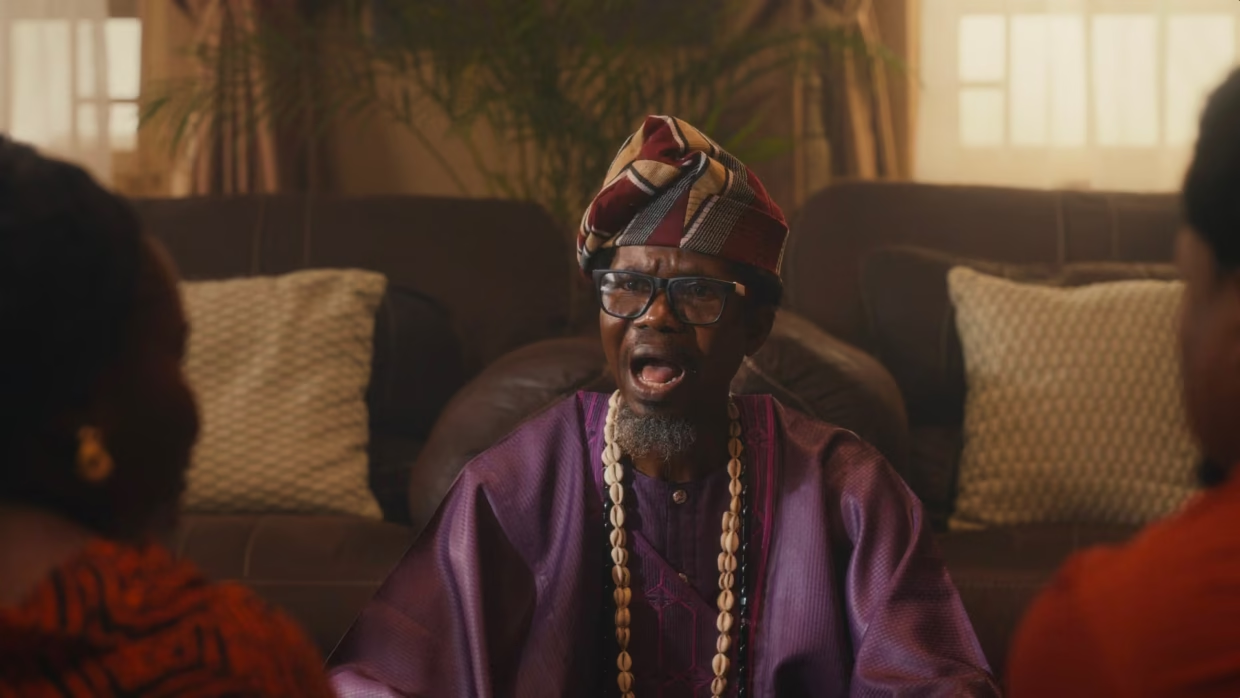
Mike Bamiloye is the ministry’s central figure and the source of the story. Arise’s coverage of the release announcement describes Mount Zion Faith Ministries as founded in 1985 by Mike and Gloria Bamiloye. The official site credits the new film as based on an original he created. He also returns to the role of Isawuru, the herbalist at the centre of the conflict.
His return to the role carries weight beyond casting. Damilola Mike-Bamiloye told Punch, as reported by Premium Times on September 19, that he was four years old when his father first played Isawuru. He recalled watching his father apply his own make-up and powder his hair to look older. Now, he said, his father plays the character at his actual age, around 60, with no ageing make-up.
One credit question remains open. The official site does not name a screenwriter for the new film. Damilola says in the interview that he wrote the film’s opening chapter, which gives background on who Isawuru is. Fuller writing credits should be confirmed before they are treated as settled.
Damilola and Joshua Mike-Bamiloye: how the remake came about
The official site presents the film as “A Damilola and Joshua Mike-Bamiloye film.” NTA’s piece calls them co-creators and directors, and gives Joshua’s professional name as Jay_Mikee. Damilola also acts in the film and is credited as a co-producer in announcement coverage.
The development story comes mainly from Damilola, in an interview first attributed by Premium Times to Punch. TimesNG carries the fullest text I could read. I could not locate the Punch original, and the two versions should be counted as one source, not two.
On his account, he and Joshua approached their father about four years ago with the idea of retelling some of his older stories, Agbara Nla among them. Their father said the time had not come, and they accepted that. In 2025, Damilola raised the idea in a conversation with producer Chris Odeh, who responded with strong conviction that the film had to be made again. After prayer and consultation, the brothers went back to their father, who this time gave his blessing. Damilola says the shoot took about 20 to 21 days. Bamiloye’s own post, as relayed by The Guardian, says the production returned to set in 2025.
On directing, Damilola says the brothers split the duty: when he was acting on set, Joshua directed, and when he was free, he directed. These are the filmmakers’ own descriptions, and they are consistent across the interview, though they are not independently verified.
Chris Odeh and the production and distribution partners
The official site credits Chris Odeh as producer. In Damilola’s telling, Odeh was a producer friend who had worked on remakes and whose enthusiasm helped turn the idea into a project. Announcement coverage by Leadership names Mohammed Sedik and Damilola Bamiloye as co-producers, and the wire report cited above lists the executive producing team as Imade Bibowei-Osuobeni, Kelechi Okoro, Chris Odeh and members of the Bamiloye family. These credits come from announcement coverage and do not appear on the official page, so I treat them as reported, not confirmed.
Three companies are named in the production. Mount Zion Film Productions is credited as producer. Sozo Films and Circuits are credited as partners “in association with” the film. The sources I read do not spell out Odeh’s formal relationship to Sozo Films, and I will not guess at it. Circuits describes itself as a virtual cinema and streaming platform. Leadership reports that its founder and chief operating officer, Imade Bibowei-Osuobeni, framed the revival as a cultural and spiritual moment.
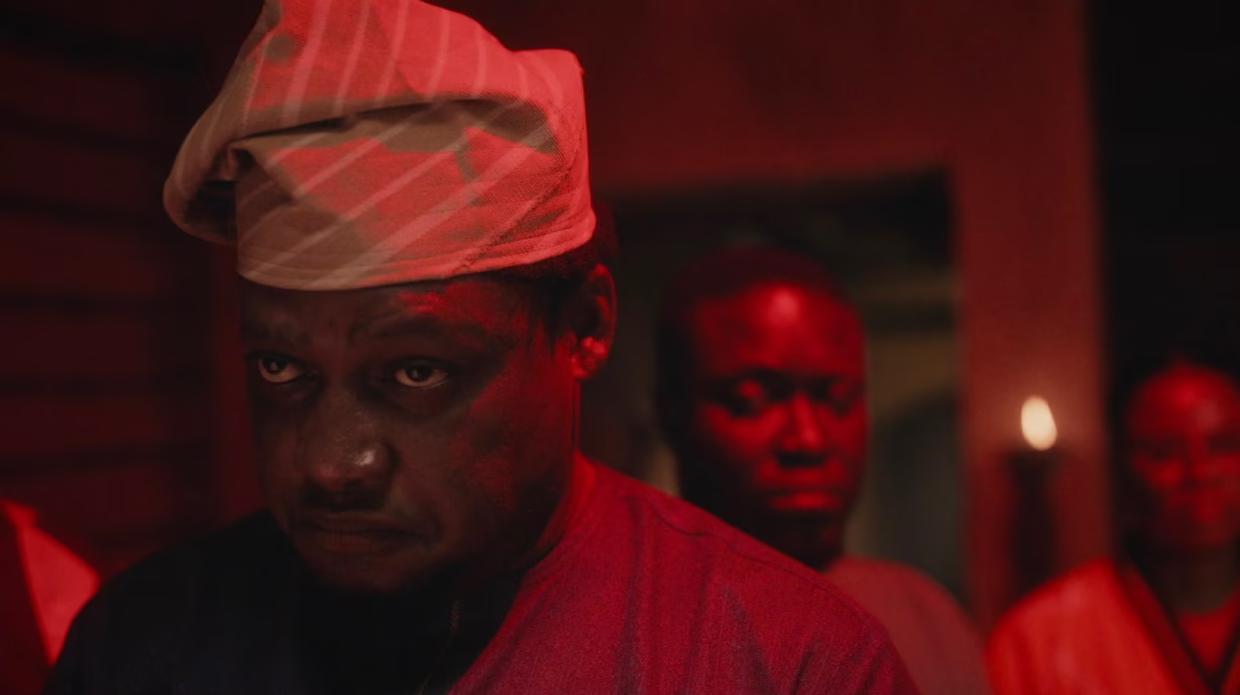
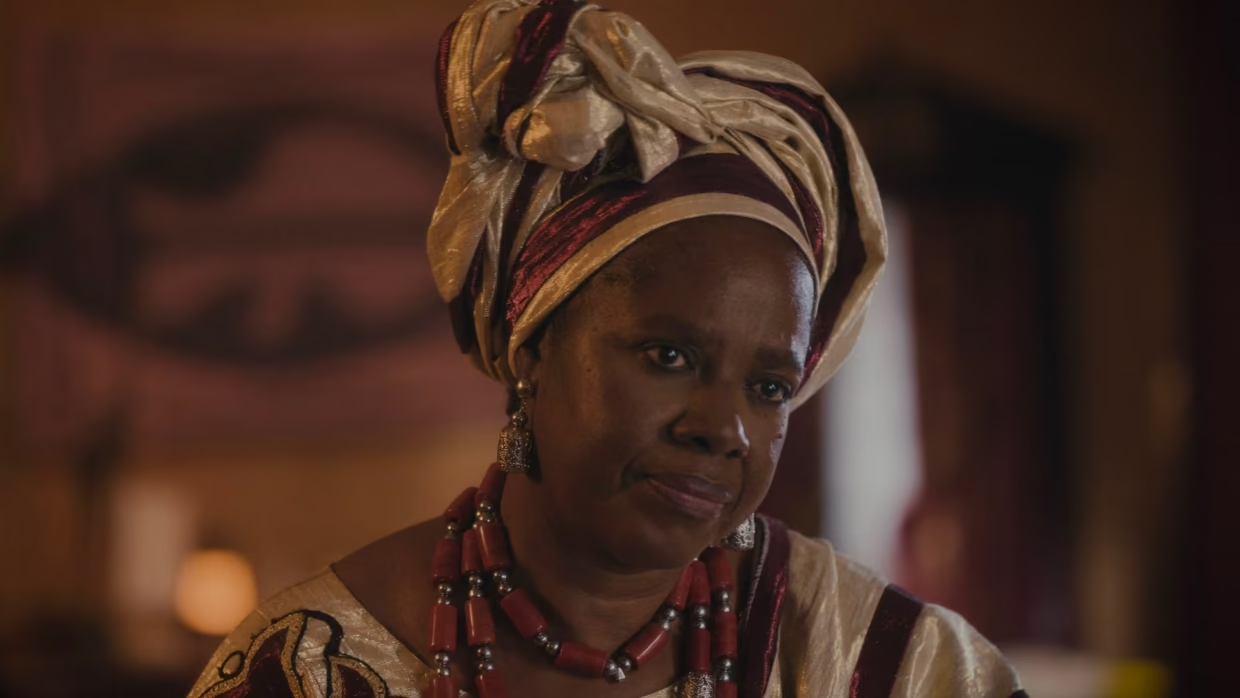
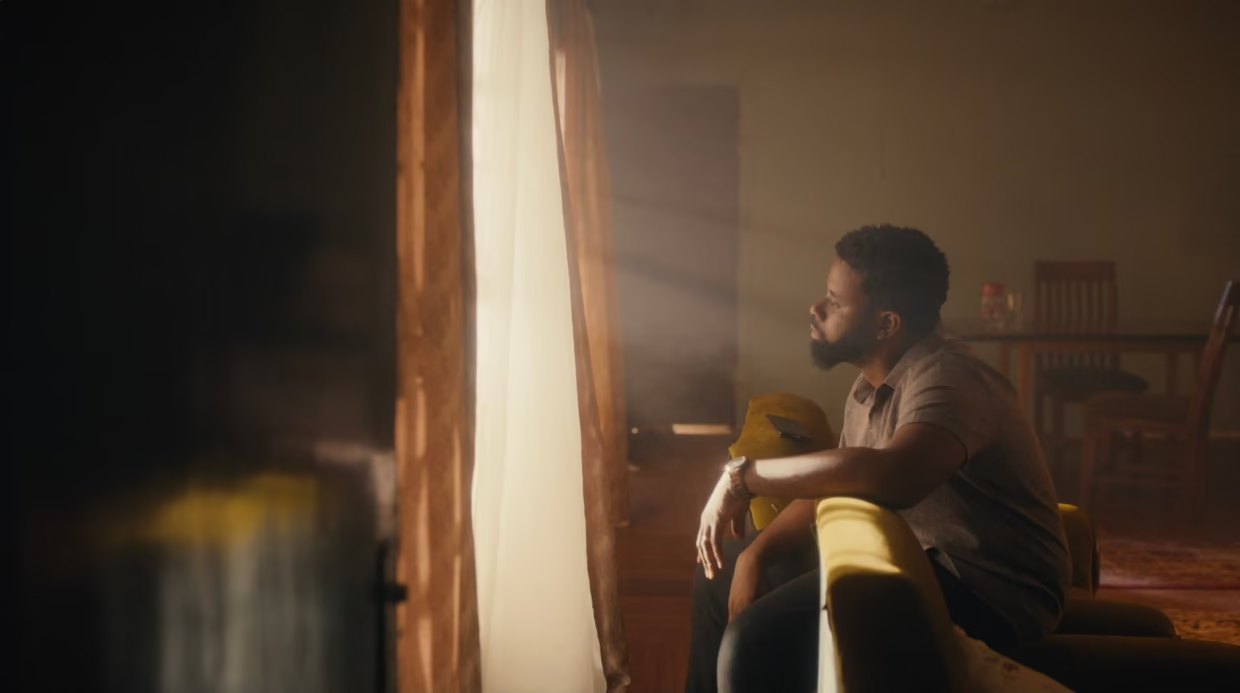
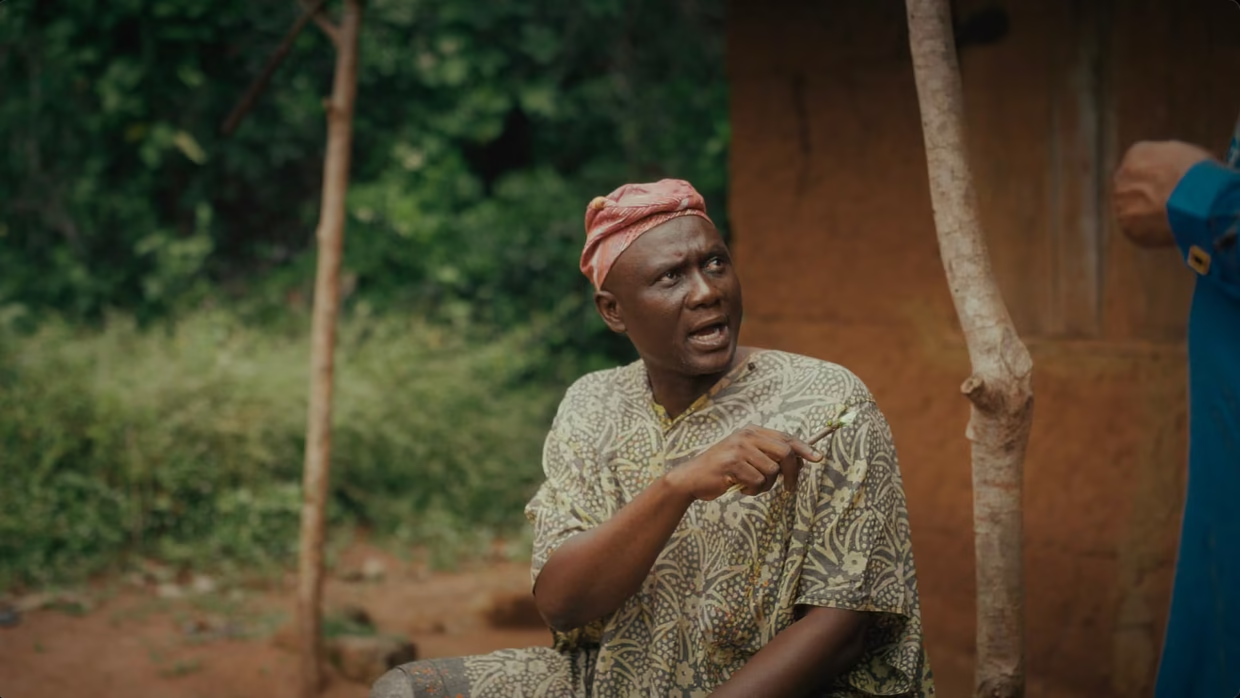
The cast guide
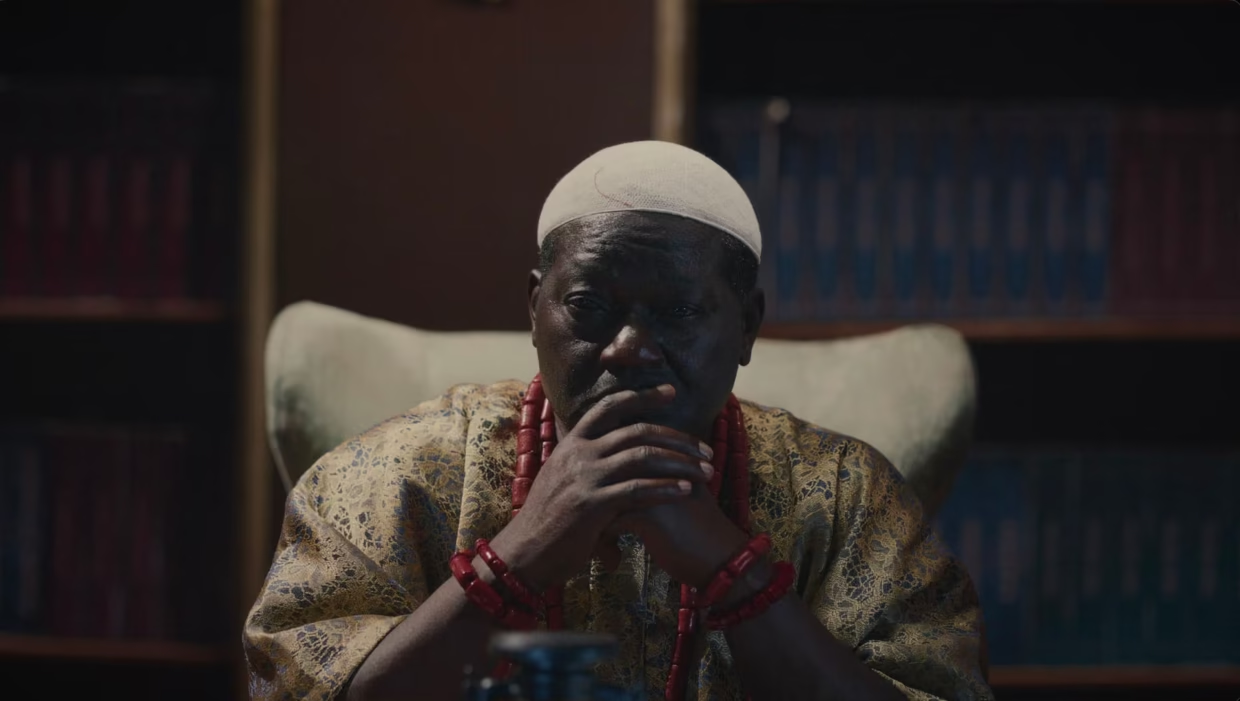
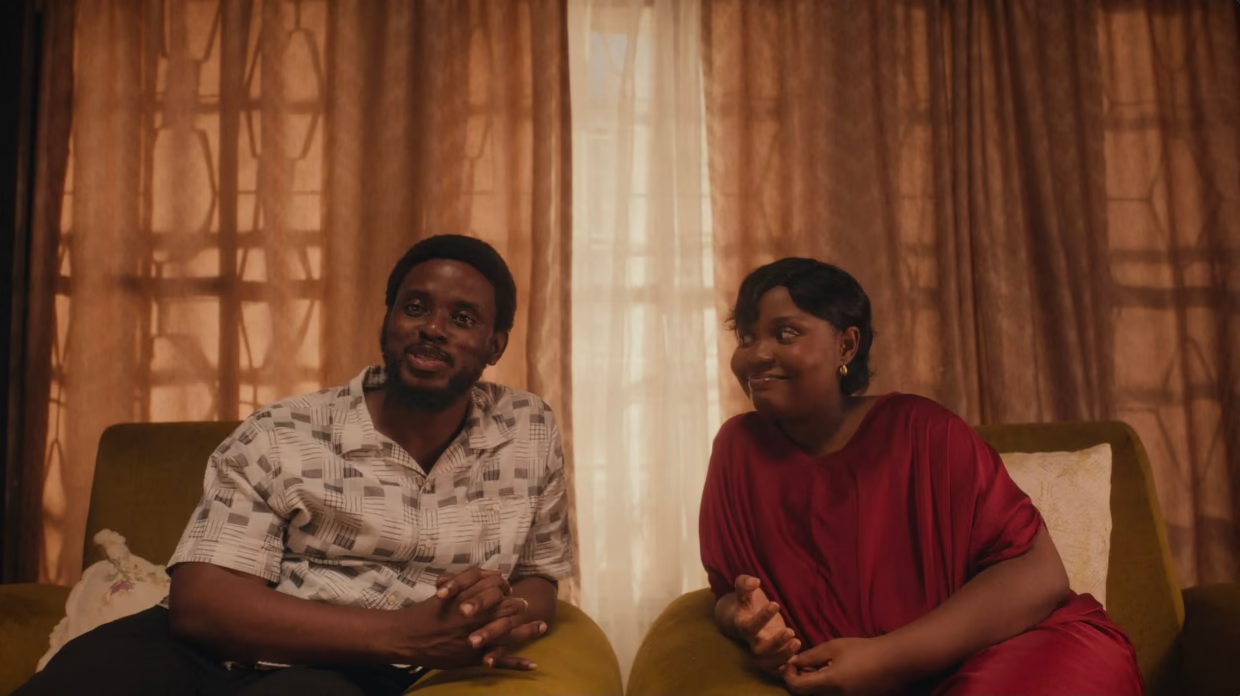
The official site lists six names under cast, but assigns a character only to Mike Bamiloye. Other character assignments come from announcement coverage. Where a role is not verified, the list says so.
- Mike Bamiloye as Isawuru, the herbalist who holds Muwonleru. Confirmed by the official site.
- Damilola Mike-Bamiloye as Kola. Reported by Leadership and Arise, and confirmed by Damilola in the TimesNG interview.
- Philip Olubakin as Olaboye. Reported in announcement coverage by Arise and Leadership; not stated on the official site.
- Aanu Kolade Abiodun as Bose. Reported in the same coverage; not stated on the official site.
- Remilekun Mosiko, Gloria Mike-Bamiloye and David Kola Okeowo. Listed in the official cast, with no character names given. I have not found a verified assignment for any of them, and the character Olatomi named in the official synopsis has no verified actor.
For orientation only: the official synopsis describes a village called Muwonleru held captive by Isawuru, and an assignment to carry the Gospel there that passes from Bose and Kola to Olaboye and Olatomi. Batch 2 examines the story itself.
How the new film relates to the original
The filmmakers describe the new film as a retelling, not a sequel. Damilola says the full storyline and all the major characters return, with the narrative carried from beginning to end and adapted to contemporary realities. At the same time he lists material that is new: expanded background on Isawuru, a king character, the kingdom of Muwonleru as a setting, and a confrontation between the king and Isawuru, none of which, he says, were in the original. He also says the film was written with cinema in mind, shot on current cameras, and built with graphics and special effects. These are promotional descriptions from the filmmakers and cannot be tested until the film itself is assessed.
Some coverage uses looser language. One pre-release article calls the film a sequel, which does not match the official description of a reimagining or Damilola’s account of a retelling. The word “Return” in the title invites that reading, so readers should not assume the new film continues the old plot.
There is also a structural question that Batch 2 will have to face. The Guardian and OpenTVNaija describe the original as a television series or serial, while Damilola says the whole story is captured in the new production. How a multi-part serial fits into a single cinema feature is a matter of pacing and selection, and the film’s runtime has not been published on the official page.
Why the return matters
For viewers who remember the original, the return is an invitation to revisit a formative and sometimes frightening memory. NTA frames the central test as whether a modern cinematic version can recreate what made the first so unforgettable, and it notes that audiences now arrive with higher expectations for cinematography, sound and effects.
For younger viewers, it is a first encounter. They meet the story in a cinema, in a film landscape crowded with Nigerian and international releases, without the childhood memory that gives the original its pull. That makes the film an unusual test case. It has to honour what existing fans remember while working for people who have no such history with it.
For Mount Zion, it is a transition from ministry-led distribution to the commercial cinema circuit, led by the founder’s sons. Early reports of strong preview turnout exist, and Batch 4 examines them with attribution to the reporting bodies and a clear separation of preview, opening-day and cumulative figures.
Before that, the film has to be understood as a story and as cinema. The next paragraphs turns to the premise, the characters and the craft.
The story: what the film sets out to tell
Scope of this section. No detailed, independent critical review of the film’s craft had been published when I researched this batch. The material available is the official synopsis and stills, the filmmakers’ own interviews, and promotional or celebratory features. So this section does three things: it sets out the premise as officially described, it records what the filmmakers claim about their craft, and it names the questions a viewer can test in the cinema. It does not rate performances or describe scenes.
A spoiler-free premise
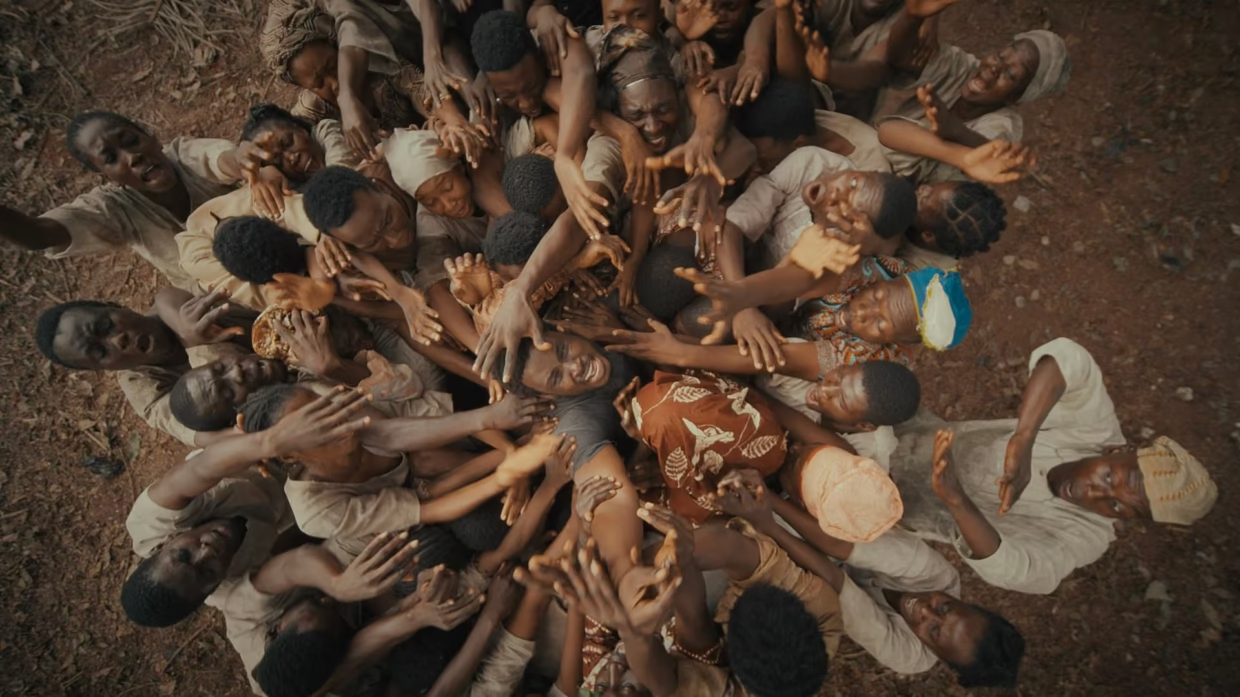
The official synopsis is short and gives a clear shape. The village of Muwonleru has long been held captive by a powerful herbalist, Isawuru. God calls two people, Bose and Kola, to take the Gospel to the village, and they ignore the call. The assignment then passes to Olaboye and Olatomi, who leave well-paid city jobs to carry it there. Their arrival provokes a fierce clash between light and darkness as Isawuru defends his stronghold. According to the synopsis, the outcome is deliverance for the village, and also a confrontation that brings Bose and Kola face to face with the darkness that had held them, leading to what the site calls their ultimate deliverance and restoration.
That summary reveals the film’s moral architecture without revealing its plot. It is built on three movements: a call refused, a call accepted at personal cost, and a reckoning for the people who refused it.
Stakes and motivations
The stakes work on two levels, and the synopsis implies both.
The first is communal. A whole village is held in a spiritual stronghold, and the story treats its freedom as the prize. The second is personal. The people who ignored the call are not bystanders to the conflict. They are caught in it, and the synopsis promises them their own deliverance.
The second level is the more interesting one for a critic. A story of spiritual warfare can easily become a contest between heroes and a villain. Here the official description gives the disobedient messengers an arc of their own. Whether the film earns that arc, or only announces it, is something only a screening can settle.
The motivations the synopsis gives are plain. Olaboye and Olatomi act from obedience and sacrifice, and they give up lucrative jobs. Isawuru acts to protect what he holds. Bose and Kola begin with avoidance. Those are workable starting points for character, but they are starting points only.
Pre-release descriptions that conflict
Early coverage does not describe the story consistently, and readers should be careful with it. Leadership’s announcement coverage presents Kola and Bose as young people caught unexpectedly in a supernatural war, prompting a re-entry of Isawuru. A separate pre-release item says the story picks up years after the original events. Neither matches the official synopsis, where Bose and Kola are called and refuse, or Damilola Mike-Bamiloye’s statement that the film retells the story from beginning to end. This article follows the official synopsis and the filmmakers’ account, and treats the sequel-style descriptions as inaccurate summaries until the film shows otherwise.
Characters, and what can be said about performances
The cast list and its gaps are set out in Batch 1. Two points matter here.
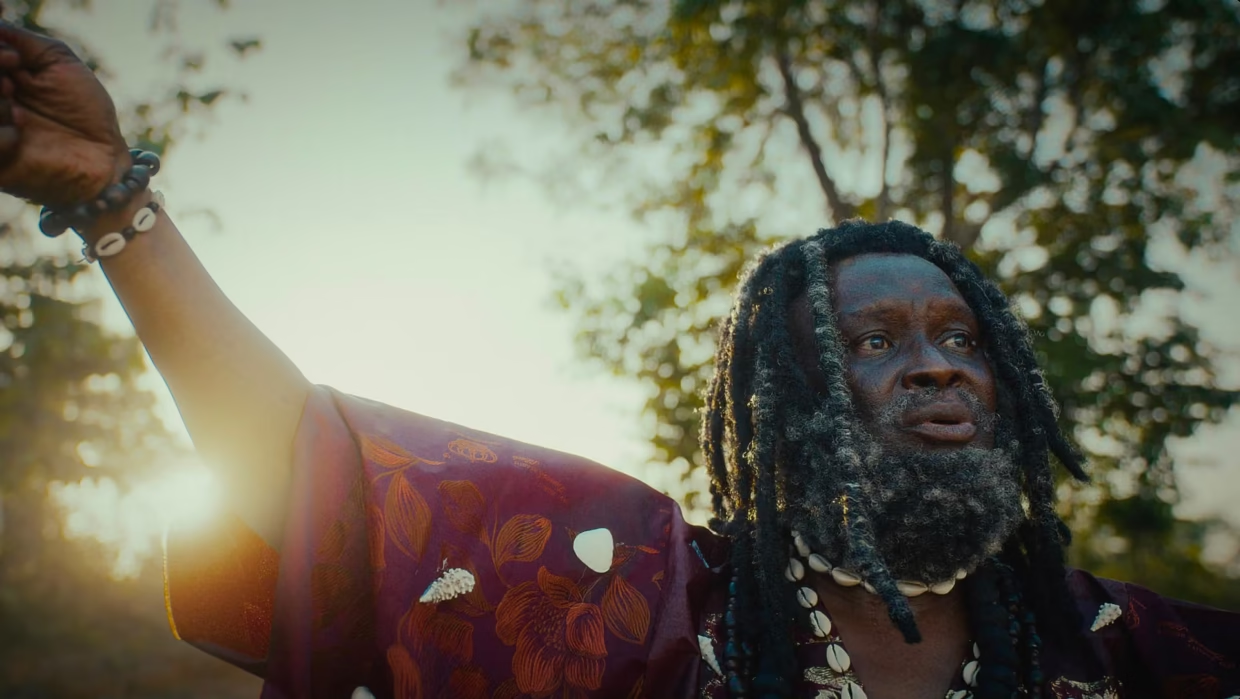
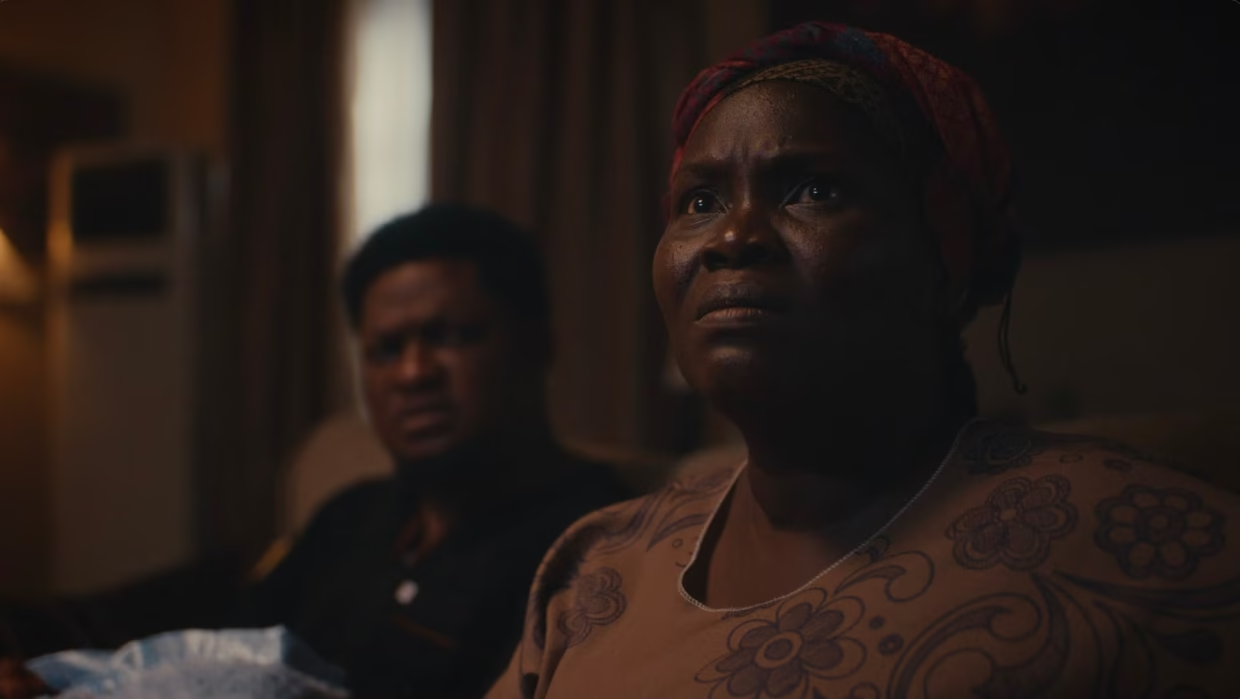
First, the principal roles divide neatly into the disobedient (Bose and Kola), the obedient (Olaboye and Olatomi) and the antagonist (Isawuru). The official stills captions also point to other figures: a matriarch, a council, a chief and a babaláwo. Those are captions on promotional images, so they show that such characters exist, not who plays them or how large their roles are.
Second, the only performance commentary on the record comes from the filmmakers. Damilola Mike-Bamiloye told Punch, as reported by Premium Times, that his father now plays Isawuru at his actual age of about 60 and brings “a different depth” to a character he first played with ageing make-up and powdered hair. In the same interview as published by TimesNG, he calls the experience of directing his father emotional. This is a son’s account of his own father’s work. It tells us what the directors intended, and I am not treating it as evidence that the performance succeeds.
ThisDay’s feature quotes Mike Bamiloye on the finished film, saying it was far from ordinary from its first minutes and that humor keeps the weight of the story intact. That is the creator reviewing his own family’s work, in a feature that is celebratory throughout. It is useful for what it reveals about intended tone, and not as an assessment.
What a viewer can usefully test is this. Does Isawuru read as a figure of real menace, which is what NTA says viewers remembered most from the original? Do Bose and Kola convince as people running from a call, or only as plot devices? Does the cast, which mixes ministry actors and family members, hold together in scenes that carry emotional weight? None of those can be answered from press material.
Directing and storytelling approach
The directing arrangement is documented, though only in the directors’ words. Damilola says he and Joshua split the work: Joshua directed when Damilola was acting on set, and Damilola directed when he was free. That is a practical solution to a real constraint, since one brother is also a principal actor. It also raises a question about consistency of tone across a film directed in alternation, which a viewer can judge for themselves.
On storytelling, Damilola makes several claims in the TimesNG interview. The film was written with cinema in view and went through several rounds of post-production and script edits, with input from many people in order to meet a cinema standard. He says audiences will see “action” and “thriller” elements, and not only long conversations. That last remark is a candid reference to the weakness many critics associate with ministry-produced drama, namely talk-heavy scenes. Whether the film overcomes it is the most important craft question about this release.
Pacing, cinematography, sound and effects
Everything the public record says about craft is a claim by the production or by a sympathetic feature writer.
- Cameras and picture. Damilola says the production used “one of the best and latest cameras” and that the rental cost was high. ThisDay reports upgraded cameras, picture quality, sound and effects compared with 1993. These are statements about equipment, not about how well the equipment was used.
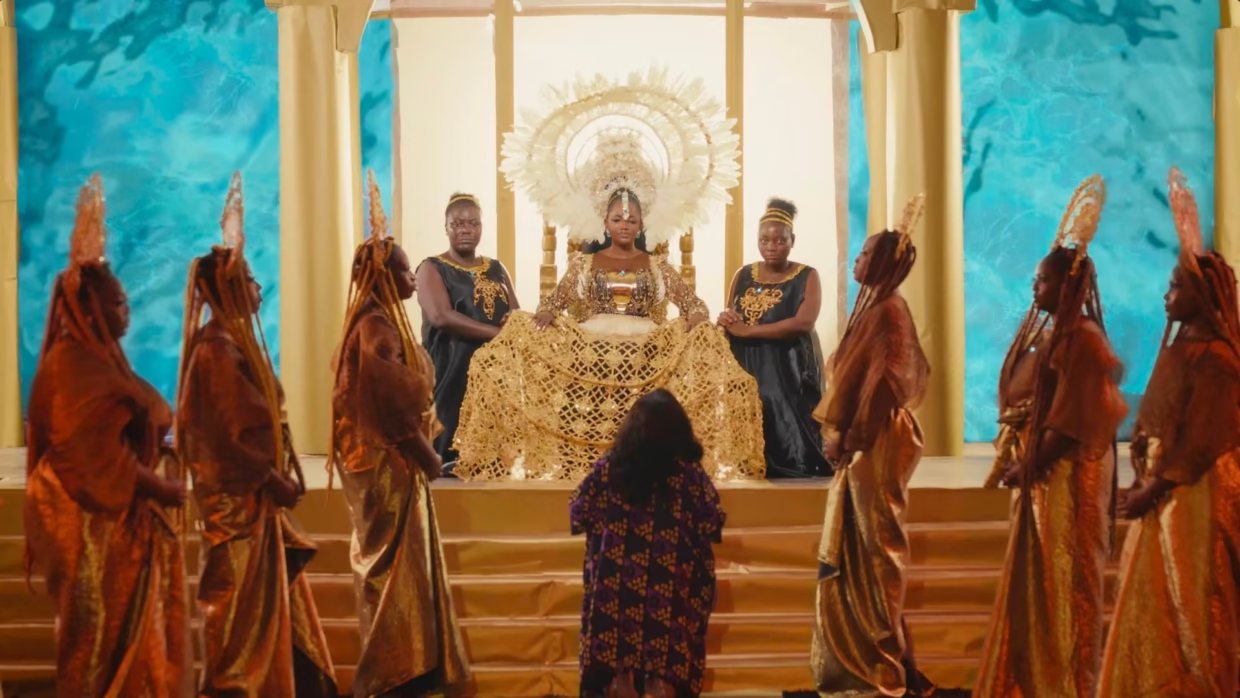
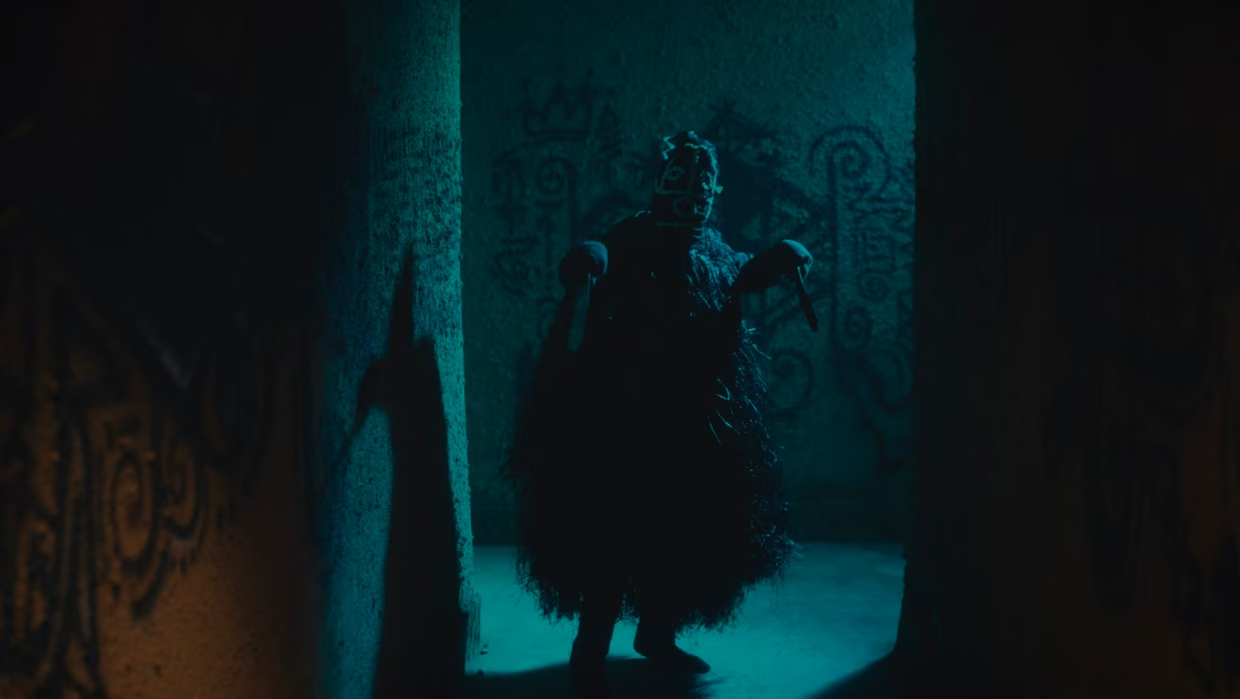
- Visual effects and graphics. Damilola says the film added graphics, illustrations and “so many special effects.” The official site’s stills include captions such as “The court of the deep” and “Isawuru calls the powers,” which suggest supernatural imagery. A still does not show whether effects are convincing in motion.
- Sound. An industry listing on the film gives Joshua Mike-Bamiloye a sound design credit, but that listing is a secondary source and I have not confirmed it against the official credits. AMX Africa’s production listing is the source. Treat it as unverified.
- Pacing and editing. Nothing credible has been published. The unresolved question from Batch 1 stands: the original was a television serial, and the filmmakers say the full story is captured in one cinema release. Compressing a serial into a feature forces choices about what to keep. The runtime has not been published on the official page.
- Music, costume, production design, locations. The only evidence is the stills and trailer. Legit.ng reported in 2025 that a visitor saw the remake being shot in Oyo State. Beyond that, I have nothing reliable to report.
One further data point is tonal. ThisDay reports that the film carries a BBFC rating of 15 for its UK release. I have not confirmed that with the BBFC, and Batch 4 will check it with the international release details. If accurate, it suggests the film treats its darker material seriously, which matters for family audiences.
The official page lists the film’s languages as Yorùbá and English. That is the strongest verified statement about language, and it needs one caution: the site does not say how the two languages are distributed, or whether subtitles are used. Batch 1 noted that the English version of the original, The Ultimate Power, was produced separately in 1994.
The cultural setting is visible in the official stills, whose captions refer to a shrine, a babaláwo, a chief and a council. In other words, the film’s village is populated by recognisably Yoruba social and religious figures. How those figures are portrayed is the subject of Batch 3, since it is bound up with a public argument that began before release. For craft purposes, the relevant question is narrower: does the film render Yoruba speech, dress, ritual and village life with the specificity that a Yoruba-speaking audience would recognise?
A note on one famous element of the original. The character name Ayamatanga is central to the film’s reputation, and Legit.ng’s headline about the remake uses it. Mount Zion Institute quotes Mike Bamiloye’s own 2019 account of writing the script on his knees and receiving the name in prayer as “Aya-Matangha” (see the Institute’s September 5 article). Legit.ng separately recalls that in 2022 Joshua Mike-Bamiloye said the name people heard was really the phrase “I Am At Anger.” These are in-house recollections and a popular reading of a line of dialogue, and I have found no source confirming that this character appears in the new film.
The adaptation strategy can be stated from the filmmakers’ own account, and it has a clear logic. Damilola says the message and storyline stay the same while the delivery changes: modern cameras, effects, a scripted-for-cinema structure, and added material. The additions he names are an opening chapter giving Isawuru’s background, a king character, the kingdom of Muwonleru as a setting, and a confrontation between the king and Isawuru.
Two implications follow. First, adding Isawuru’s backstory changes the character. NTA recalls him as a figure of dread, and the Damilola interview says the original simply showed him doing evil, while the remake gives “more insight into who this man really is.” A more explained antagonist can gain depth or lose menace. That tension is worth watching for. Second, the additions make the film a bigger story than a one-to-one remake, which fits the structural question about compressing a serial.
With no firsthand viewing, the fairest approach is to set out what the evidence supports as strengths and risks, and to label both as provisional.
Supported so far. The film appears to have been planned as a cinema release with proper post-production, and the filmmakers describe a deliberate effort to move beyond talk-heavy drama. The central structure in the synopsis, which gives the disobedient characters their own arc, is stronger than a plain good-versus-evil outline. Reported reactions in cinemas, which Batch 4 will treat separately, suggest the film connects emotionally with its core audience, though Legit.ng’s report on cinema scenes relies on social-media clips and a Christian influencer’s comments, so it is evidence of devotional response and not of craft quality.
Open risks. Compressing a serial into a feature may thin the supporting characters. A rewritten antagonist may weaken the dread that defined the original. A 20 to 21 day shoot, which Damilola reports, is a short schedule for a film with effects and large village scenes. And the available praise is almost entirely from people with a stake in the film.
What a fair review needs next. Screening notes on pacing, on how Isawuru is played now, on the quality of the effects and sound, and on the balance between dialogue and action. Without them, any firmer judgment here would be invented.
Comparisons have to be made carefully because the original is itself hard to pin down: its release year is disputed between 1991 and 1993, it was a television serial, and an English version followed in 1994. The comparisons the evidence supports are about intent and structure, not quality. The original arrived in a world of television broadcast and home video. The return is a theatrical release with modern equipment and an expanded story. Whether it is a better film, a scarier one, or a more affecting one, nobody can honestly say from the public record.
The question that connects all of this to the film’s message is how it presents its subject matter: traditional religion, the herbalist, the shrine and the babaláwo. That has been argued in public since before the film opened, and the next batch takes it up, together with the Christian message, the theology and the cultural debate.
The Christian message and the cultural argument
Scope of this section. Batch 3 deals with what the film says, and what has been said about it. The film’s message is documented through the official synopsis and the filmmakers’ interviews. The public debate is documented through news reports and opinion pieces, several of which were written by people who say they have not seen the film. I keep that distinction visible throughout. Scripture quotations are from the King James Version.
What the film is for
The filmmakers state their purpose plainly, so there is no need to infer it. In the TimesNG interview, Damilola Mike-Bamiloye says the entertainment value of the film is meant to carry an evangelistic purpose, and that the ministry’s core objective is winning souls. He describes the story as an acting out of “God’s word” that remains relevant across generations, and he lists the lessons he hopes viewers take away: spiritual warfare, holding on to God and letting Him fight the battle, and seeking God’s kingdom first. He also declines to fix a single takeaway, saying viewers will respond according to what they are going through.
Mike Bamiloye’s own framing is broader. ThisDay quotes him asking, “Who said revival can only break out in church?” after watching the film in a cinema.
Two things follow. This is an openly evangelistic film, made by a ministry, and it should be judged against its own stated aim as well as against general cinematic standards. And the filmmakers expect the film to work on viewers spiritually, which sets a high bar for a drama. That claim is theirs, and the rest of this section treats it as a claim.
The biblical themes the film appears to engage
The official synopsis gives enough to identify the themes without describing scenes. What follows is my reading of that synopsis against Scripture. It is a reviewer’s interpretation. I have not verified that the film cites any of these passages.
Spiritual conflict. The synopsis speaks of a clash between light and darkness, with a village held captive by a herbalist. The closest biblical anchor is Ephesians 6:12: “For we wrestle not against flesh and blood, but against principalities, against powers, against the rulers of the darkness of this world, against spiritual wickedness in high places.” Damilola’s remark that whatever happens physically has its roots in the spiritual follows the same worldview. A careful reader will note that Paul is addressing believers’ own struggle. Applying the passage to a particular person or community is an interpretive step, and different Christian traditions take it differently.
A call refused. Bose and Kola are called by God to take the Gospel to the village and ignore the call. The pattern is familiar from Jonah 1:2-3, where Jonah is told to go to Nineveh and instead “rose up to flee unto Tarshish from the presence of the LORD.” The film’s version, as described, moves the consequences onto the people who refused.
A call accepted at a cost. Olaboye and Olatomi leave lucrative city jobs. This echoes the biblical idea of being sent, as in Romans 10:15: “And how shall they preach, except they be sent?”
Light into darkness. The synopsis speaks of carrying “the light of Christ” into Muwonleru. John 1:5 supplies the image: “And the light shineth in darkness; and the darkness comprehended it not.” The mission language also recalls Acts 26:18, where the goal is “to turn them from darkness to light, and from the power of Satan unto God.”
Restoration for the disobedient. The synopsis promises “deliverance and restoration” for Bose and Kola. That gives the film a theme of repentance and return, not only victory over an enemy. It is also the theme most open to good storytelling, since it asks what happens to people who knew better.
Prayer, spiritual authority, deliverance and the Gospel
What I can verify is limited to the synopsis and the filmmakers’ statements. The synopsis says the Gospel is carried to the village and that the power of God prevails. Damilola says the film “teaches the importance of spiritual warfare.” Beyond that, I cannot report how prayer is dramatised, what spiritual authority looks like on screen, or how the Gospel is presented, whether as a message the characters speak or as a power they wield. Pre-release descriptions emphasise prayer, faith and courageous evangelism, but those come from promotional copy.
That matters because these portrayals decide whether a film like this reads as theology or as a power contest. A story in which God’s power prevails because characters wield formulas differs from one in which it prevails because they trust Him. The synopsis suggests the second, since it centres obedience. Only a viewing can confirm it.
Clarity and consistency of message. The structure in the synopsis is clear: call, refusal, sacrifice, confrontation, deliverance. One enthusiastic opinion piece on YNaija says the remake has a tighter plot than the original and clearer supporting motivations. The piece does not say whether its author saw the film and cites no sources for those claims, so I treat it as an unverified impression.
Yoruba traditional religion and culture: how different audiences may read it
The film’s central antagonist is a herbalist who holds a village in captivity, and the official stills include captions referring to a shrine, a babaláwo, a chief and a council. That puts it inside a long and contested tradition of Nigerian films that stage Christianity against traditional religion. Different audiences can reasonably read the same material differently.
- Christian viewers who share the film’s worldview will tend to read it as a straightforward account of spiritual conflict and the supremacy of Christ.
- Practitioners of Yoruba traditional religion (isese) may read the depiction of a herbalist and shrine as a portrait of their own religion as evil, whatever the filmmakers intend.
- Yoruba viewers who separate culture from religion may welcome the language, dress and village life while rejecting the religious framing, or may do the opposite.
- Viewers outside both camps may read it as supernatural horror with a faith message, and judge it on genre terms.
- Scholars and critics of Nollywood may read it as one more instance of a long-running pattern.
On that last point, an Afrocritik essay from March 2026 argues that Nollywood has repeatedly cast African traditional spirituality as evil and resolved the story through Christian conversion or deliverance. It names Mount Zion and Agbara Nla as an example of that literal, demonised portrayal of herbalists and masquerades. The essay was written before the remake’s release, so it speaks to the original and to the Mount Zion tradition, and not to what the new film does. It also dates the original to 1992, which adds one more variant to the 1991 and 1993 dates noted in Batch 1.
The public debate and the filmmakers’ response
The documented argument began before the film opened. Legit.ng reported on June 25, 2026 that an X user, Ìfẹ́ṣọlá, accused Mount Zion Films of portraying Yoruba spirituality as evil while presenting Christianity as the better alternative.
Joshua Mike-Bamiloye responded that Mount Zion celebrates Yoruba identity through language, proverbs, attire and royalty, and that it separates cultural heritage from spiritual belief. He cited the character Abejoye as someone who stayed rooted in his culture after converting. He said the ministry frames its stories as light against darkness and not as Yoruba against foreign religion, and that fewer than 30 percent of its more than 200 films involve traditional spiritual settings. Those figures are his own and I have not been able to verify them. The same report quotes commentator Ayo Adeleke, who called the criticism a valid conversation but said it becomes unfair when it ignores Mount Zion’s wider body of work, and who credited Joshua with distinguishing between opposing spiritual practices from a Christian standpoint and attacking Yoruba culture itself.
A second, more combative voice appears in a June 27 opinion column on Western Post. Its author says he does not share the filmmakers’ doctrinal views and has no plan to watch the remake. He argues that the outrage is misplaced because the original dates to 1993, that biblical Christianity is exclusive and owes no apology for treating other worship as idolatry, and that the film’s evil figures, including Aro Meta, Ayamatanga and Olukundudu, are fictional and have no place in genuine Yoruba spirituality. He attributes much of that to unnamed Facebook responses. It is a useful view of the argument from the more uncompromising Christian side, but it is an opinion from someone who has not seen the film, with no sourcing for its factual claims.
There is also a Christian objection from within the Church. A review on Kemi Filani News is headlined “Agbara Nla: The return is interesting but goes against the Bible; Here’s why.” I was able to confirm that the review exists, and I could not open its full text, so I cannot say what its objections are or whether the reviewer watched the film. Readers should read it directly, since a headline-level objection of this kind is the most relevant documented theological criticism I found.
I also found no published response from isese practitioners, or from Yoruba scholars of religion, that engages with the finished film. That absence is a limit of the evidence, not a sign that no such response exists.
Doctrine, drama, culture and opinion: keeping them apart
Four things are easy to blur in this conversation, and a fair reading keeps them separate.
- Christian doctrine is what the Bible teaches and the churches confess. That God is sovereign over every power is doctrine. How a particular tradition identifies those powers in a particular culture is interpretation.
- Cinematic dramatisation is a story’s choices. A film that shows a herbalist wielding supernatural power is dramatising a worldview. It is not demonstrating that such power operates in real life, and a dramatic depiction of supernatural events is not evidence for them.
- Cultural interpretation concerns what a depiction signals about a people and their practices, and it depends heavily on who is watching and what they already carry.
- Personal opinion includes mine. My view is that the sharpest question the film faces is whether its antagonists are drawn as fiction or as a portrait of a living religion, and that the evidence so far suggests a mixture: invented names and a fictional village, set among recognisable ritual figures.
Damilola’s remark that the story “is God’s word” deserves a gentle note. It reads best as devotional language about the message the film carries. A dramatisation is not Scripture, and the authority of the Bible does not pass to a screenplay. Mount Zion’s own accounts also frame the script as Spirit-led. An Institute article quotes Mike Bamiloye’s 2019 account of receiving a character’s name in prayer. Readers from traditions that test such claims against Scripture will weigh that differently from readers who accept it.
Uses for churches, families and outreach
The film’s potential value is real, and it depends on how it is used.
- Church discussion. The call, refusal and restoration structure gives a congregation material: What does it cost to obey? What happens when we avoid a call? A discussion leader can keep the biblical questions separate from the film’s dramatic choices.
- Christian film education. The film is a case study in moving a ministry production from television and home video into cinema, and in the choices that involves.
- Family conversations. Caution is warranted. Individual cinemagoers recall the original as frightening, and Legit.ng’s collection of reactions includes posts from adults who say it scared them as children. ThisDay reports a UK rating of 15, which I have not verified. Parents should preview and decide by age.
- Evangelistic outreach. The filmmakers intend it. Whether a non-Christian viewer finds it persuasive or off-putting is unknown, and the cultural debate suggests some will find it alienating. Legit.ng’s report on cinema scenes describes social-media clips of cinemagoers speaking in tongues and worshipping, and quotes posts that are unverified. That shows a devotional response among some Christian viewers, and not an effect on outsiders.
Churches also differ on whether a film screening is an appropriate setting for acts of worship, and I do not think a review should settle that for them.
Opportunities and responsibilities for Christian filmmakers
Christian filmmakers addressing sensitive religious and cultural subjects have a real opportunity: an audience that wants faith stories told with cinematic ambition, and a ready network of churches. This film shows both.
They also carry responsibilities, which I set out as opinion. They can keep culture and religion distinct on screen, so that language, dress and kingship are honoured while religious claims are argued on their merits. They can mark invented elements as invented. They can resist the shortcut of making an opposing belief a pure caricature, which weakens a film as drama as well as being unfair to real people. And they can accept that a public debate about representation is a legitimate response to their work and not an attack. Joshua Mike-Bamiloye’s reply engages the criticism, which is a better starting point than dismissal. Whether the film itself meets these standards remains a question for viewers.
None of this makes the commercial story less important. By the first week of October, the film’s cinema performance had become news in its own right. The next batch examines the numbers, the audience response and the prospects for release outside Nigeria.
Cinema performance, audience response and international reach
Dating note. Every figure in this section is dated, and none is the film’s current total. The latest cumulative figure I could support is from a weekly digest published on October 12, 2026, covering the weekend of October 9 to 11. Anything newer needs to be checked against live sources.
Release and showtimes
The film is on release in Nigeria, but I could not verify specific showtimes. The official site’s showtimes link redirects to a ticketing system whose page returned no readable listings, and the Nile Cinemas and Box Office Cinemas pages returned no film listings at all. Nobody reports a screen or cinema count either: the Nairametrics, BusinessDay and ShockNG reports I read all omit it. What can be said is that the film appeared on Nigeria’s weekend box-office chart, which means it was playing in tracked cinemas.
One timing point corrects a loose reading of Batch 1. The official site says “in cinemas October 1st.” Box-office reporting treats October 1 as a single preview day. Nairametrics describes the ₦71 million figure as a single-day preview that came before the official nationwide release, and The Guardian Nigeria gives that release as Friday, October 2. Both are consistent with October 1 being a Thursday.
The figures, in order
The distinctions below matter, because the film’s records are claimed across several different measures.
Preview. On October 1, according to Nairametrics, initial data showed about ₦70 million from 12,134 admissions. The distributor, Nile Entertainment, later put the gross above ₦71 million, in a statement reported by The Guardian Nigeria. A later Nairametrics report uses ₦71.4 million.
Opening weekend (Friday to Sunday, October 2 to 4). The same Nairametrics report, crediting FilmX data, gives ₦99.15 million from 16,223 admissions: ₦15.38 million on Friday, ₦30.07 million on Saturday and ₦53.70 million on Sunday. BusinessDay and ShockNG round the weekend to ₦99.8 million, citing Nigeria Box Office. The sources differ slightly, which is normal when different trackers report.
Opening frame including preview. About ₦170.6 million from 28,468 admissions, per Nairametrics. BusinessDay, citing Nigeria Box Office, gives ₦170.58 million cumulative.
First week. ShockNG’s October 12 analysis adds ₦37.5 million for Monday to Thursday, reaching ₦208.09 million for the first week. It does not name its tracker.
Second weekend (October 9 to 11). A weekly digest from Film Intelligence, powered by NGA Box Office, reports about ₦73.3 million from 12,154 admissions and a cumulative of about ₦282.8 million. The digest calls the film “Agbara Nla” without the subtitle. I read it as this film, because the figures continue its run, but that is an inference. The cumulative is also about ₦1.4 million above what adding the second weekend to ShockNG’s first-week figure gives, a gap that reflects different data sources.
Those numbers show a weekend-to-weekend decline of roughly 27 percent in gross and 25 percent in admissions. That is my arithmetic from the reported figures. The film still topped the chart on the second weekend, at about seven times the gross of the second-placed title in that digest.
Cumulative, and where it stops. The best-supported cumulative figure is about ₦282.8 million through October 11, per Film Intelligence. It is a historical number. ThisDay’s feature, which says more than 30,000 cinema viewers in under two weeks, understates what the trackers show: the opening frame alone is 28,468 admissions, and the second weekend adds 12,154, so reported admissions already exceed 40,000 before counting weekdays.
The record claims
The claims are real in the sense that they appear widely, but their sourcing is uneven.
- Attributed to the distributor and Nigerian box-office reporting: the biggest single-day preview gross in West Africa, and the highest preview admissions of 2026.
- Stated by Nairametrics and repeated elsewhere without a named source: the biggest first-day gross for a Nollywood title, the biggest single-day gross for October, and the biggest opening for a faith-based film.
- Stated by Nairametrics citing Nigerian box-office data: the biggest non-December Nollywood opening, and the third-biggest Nollywood opening on record, behind Everybody Loves Jenifa and Behind the Scenes.
Two cautions apply. “Biggest first-day gross” and “biggest single-day preview” describe the same day, so they are one achievement counted twice. And “biggest non-December opening” is a narrower claim than it sounds, since December is when Nollywood’s largest films open.
What the numbers suggest, and what they do not
What they support. A Christian drama drew a large paying audience in a normal month. The preview day alone beat the film’s own first-weekend days, and it opened at the top of the chart. Mount Zion Institute’s report argues that faith-based cinema has long depended on church networks and home video, and that this release shows that loyalty converting into cinema attendance. That is an in-house reading, though the numbers do not contradict it.
Where the audience sat. Nairametrics’ unattributed regional breakdown of preview revenue has Lagos at 50.8 percent, Oyo at 13.2 percent and Abuja at 10.7 percent, with the South-West states together about 76.7 percent. If that is accurate, the opening was heavily concentrated in the Yoruba-speaking South-West, where Mount Zion’s base is strongest. That fits a film with a Yoruba title and a regional following, and it suggests the film’s national reach, and its reach beyond a ministry audience, are still to be shown.
What they do not support. One title, with a 33-year brand, an unusually loyal network and an Independence Day opening, does not prove a general appetite for Christian cinema. YNaija’s opinion piece argues the contrary, that the result signals demand for more Christian films, but it cites no sources for its figures or for the praise it attributes to reviewers.
Will it reach ₦1 billion? ShockNG asks, and compares the film with four December releases that passed that mark. Its own caveats are fair: those films opened in the holiday window, and about a third of this film’s first week came from previews, so the comparison is not like for like. ShockNG’s modelling needed a second weekend of about ₦105 million to stay on a path to ₦1 billion at 85 percent weekly retention, and an earlier ShockNG piece projected ₦500 to 700 million overall, which it admits is speculation. The second weekend reported afterwards, ₦73.3 million, was below that mark. I read that as meaning a ₦1 billion finish looks harder than the headline question suggested. That is my inference, and the next few weekends will settle it.
Gross is not profit
All of these are gross ticket sales. The public figures do not show what the producers received. Cinema ticket revenue is split between exhibitors and the distributor before anything reaches the producers, and the share depends on contracts that are not public. The production budget has not been published, and neither have distribution or marketing costs. So the figures can show audience size and momentum, and they cannot show profit. ShockNG also notes that the average ticket price was about ₦6,100, so rising prices inflate comparisons with older films, which is another reason to compare admissions as well as naira.
Comparisons with other films
The only like-for-like comparison I would trust is the one in BusinessDay’s weekend chart, where the film’s first-weekend gross of about ₦99.8 million was well above the rest of that week’s top five, including a second-placed Nollywood title at about ₦16 million. The all-time comparisons, such as ₦1.88 billion for Everybody Loves Jenifa and ₦2.76 billion for Behind the Scenes, are final totals for December releases and measure a different thing. I have not compared the film with other titles beyond that, because the windows differ.
Audience reactions: documented and undocumented
Reaction evidence falls into three tiers.
- Documented reports. Legit.ng reported on October 2 that videos from cinemas in several cities, including Akure and Lagos, show viewers praying, singing and speaking in tongues. SelahAfrik reported similar scenes on October 6, based on social-media videos it did not verify. ThisDay reports that large crowds in Lagos meant some viewers queued or returned later, and that pastors and gospel figures attended.
- Individual posts. Quoted tweets are expressions of feeling and cannot be counted as a measure of reception.
- Promotional claims. Mike Bamiloye’s description of the response as a revival, quoted by ThisDay, is the creator’s own view.
None of these tells us how viewers outside the faith responded, or what the audience thought of the film’s craft.
Church networks, word of mouth and the diaspora
The evidence supports a role for church networks, though less directly than the commentary suggests. The film opened with a preview day on a public holiday, and several outlets report group attendance, but no source quantifies bulk or church bookings. The clearest documentary evidence is on Circuits’ page for the film, which invites visitors to register interest in a cinema screening in their city, to ask for a church screening, or to join a diaspora “Legacy Leaders” group that mobilises communities, sponsors and volunteers. That shows a deliberate strategy of organising audiences through churches and communities abroad. It is registration of interest, not confirmed screenings.
Screenings outside Nigeria
The following is market by market. “Confirmed” means a source I could read gives a date and a place. Almost nothing reaches that bar.
United Kingdom. Announced date, no confirmed venues. ThisDay reports a UK release on October 16 and a BBFC rating of 15. The Circuits page says the film comes to audiences outside Nigeria from October 16, 2026. The Guardian’s October 2 report said only that UK, US and Canadian releases were planned with dates to be announced. I found no cinema chains, cities or ticket links, and I did not verify the rating with the BBFC.
United States. Planned, with a listing reported. The Guardian says a US release is planned, with dates to be announced. A search for the film returns an AMC Theatres page titled “Agbara Nla: The Return,” but the site blocks automated reading, so I cannot say what dates, cities or showtimes it lists. Treat it as a lead to check directly.
Canada. Reported, specifics unverified. ThisDay mentions Canadian screenings, and the Guardian lists Canada as planned. A Cineplex page for the film also appears in search results, which I could not read. Dates, cities and venues are unconfirmed.
Australia. No evidence found. None of the reports I read mention Australia. Circuits’ interest forms ask for a country, so Australian audiences could register, but I found no announced plan.
Liberia (not on your list, but reported). What Kept Me Up says the film was due to open in select Liberian cinemas on October 9, and ThisDay also mentions Liberia. I have not verified venues.
Practical challenges for international release
I have no knowledge of private negotiations, and this section is analysis of what usually matters. The film speaks Yoruba and English, so subtitling and how it is described to non-Yoruba audiences matter. Diaspora audiences are scattered across many cities, and cinemas in those markets generally need a minimum audience to commit screens, which is what the registration forms may be trying to measure. The film’s marketing so far leans on a 33-year Nigerian memory that many overseas viewers share but others do not. Scheduling against local releases, and local booking arrangements, will decide how many shows each market gets. And it is not clear from public sources whether Nile Entertainment, Circuits or a local partner handles each territory, which is itself a practical risk for audiences trying to find listings.
What this could mean for Christian productions
If the opening holds, the lesson for Christian filmmakers is practical more than theological. A ministry brand with a loyal network can open a film, a distributor with theatrical reach can turn that into admissions, and a strong first day can drive coverage that reaches beyond the faithful. What remains unproven is staying power through the weeks that follow, appeal outside the core audience, and profitability. The second weekend gives early evidence on the first, and the rest will take months.
★★★★★ “A film every Christian should see in the cinema. Go, take your family, and bring someone who has never seen it.”
Agbara Nla: The Return | HolySpiritEncounters.com

The verdict: go, and take someone with you
★★★★★ Editorial endorsement: 5 out of 5
HolySpiritEncounters.com endorses Agbara Nla: The Return without reservation as a film Christians should see in the cinema, in numbers, and with others.
How to read these five stars. This is an editorial endorsement. It rests on the film’s mission, its legacy, the character of the people who made it, and the response it has drawn, all documented in the earlier batches. It is not a technical scorecard of cinematography or editing, and we do not claim to have scored those. Where we describe the film’s purpose, we are quoting its makers. Where we describe its effect, we are giving our conviction and our readers’ testimony, and we say so.
Why this film, and why now
Many of us first met this story in the 1990s, on a television screen in a living room, with the lights off and the family close. We remember Isawuru. We remember how the story made the unseen feel near. And many believers testify that God used that screen to wake people up, to turn them around, and in some cases to save them. That is the testimony of a generation. We hold it as faith, and we do not offer it as a statistic.
Thirty-three years later, the same story is on the cinema screen, directed by the founder’s sons, with the founder himself back as Isawuru. NTA asked whether the return could recreate the magic. The public answer so far has been loud. The film opened at the top of the Nigerian weekend chart, and a second weekend digest still had it first. Batch 4 sets out the figures and their limits. The point here is simpler: believers turned up.
What is strongest about it
Each of these rests on documented evidence from the earlier batches.
- A story built on obedience and restoration. The official synopsis does not stop at a hero defeating a villain. It gives the people who refused God’s call, Bose and Kola, their own reckoning and restoration. A film that treats disobedience and repentance seriously has more to say to believers than one that only shows power.
- A message with a purpose. The directors say plainly that the film is meant to win souls. In the TimesNG interview, Damilola Mike-Bamiloye describes the entertainment as a carrier for that evangelistic aim, and he leaves viewers free to take their own lesson from it.
- A real attempt at cinema. The filmmakers describe a script written and edited for the big screen, current cameras, graphics and effects, and a push beyond long conversational scenes. We cannot grade the execution, and we note the ambition.
- A generational handover done openly. Father and sons share the credit, and the founder returns to the role he created, at his own age. That is a rare thing in ministry filmmaking, and it is the story behind the story.
- A willingness to answer critics. Joshua Mike-Bamiloye’s reply to the cultural criticism engaged the argument and did not dismiss it.
Going in with open eyes
A fair endorsement says what to expect. The runtime has not been published on the official page. The original was a television serial and the new film compresses it, so some supporting characters may feel thin. The film deals with spiritual darkness, and a reported UK age rating of 15 suggests intense content, so parents should preview it before bringing young children. And the cultural argument in Batch 3 is real, so viewers should expect to talk about how traditional religion is portrayed. None of this lowers our recommendation. A film that provokes conversation is doing part of its job.
Mount Zion, Christian filmmaking and the long view
For Mount Zion, this is the move from ministry-led distribution on television and home video to a nationwide commercial release. It is not the ministry’s first cinema screening, as Batch 1 notes, but it is the first of this scale. For Christian filmmaking in Nigeria, it is a live test of a question the industry has asked for years: can a faith-driven story carry itself in the open cinema market without apologising for what it is?
We think the long-term legacy will be read in two ways. One is commercial: whether the run holds, and whether other ministries and producers are encouraged to try. The other is formative: whether a new generation, including viewers who never saw the original, leave the cinema with their imagination reshaped. Both are reasoned expectations, not facts, and the coming months will test them.
A new way to answer the old objection
Some have asked whether a Christian film must be built on invented characters and an invented village. The objection assumes that a story is trustworthy only if it is documentary. We think the objection has the question backwards, and we propose a different way to read it. Call it the Formation Argument.
First: all screen storytelling is invented. Every drama on every platform is staged, scripted and lit. The real question is never fiction against truth. It is which fictions are shaping us, and toward what.
Second: invented stories are the Bible’s own method. Jesus taught in parables about people who never existed in a literal sense. “A certain man went down from Jerusalem to Jericho, and fell among thieves” (Luke 10:30, KJV) is a story told to form a listener’s conscience. Nathan confronted David with a tale of a rich man and a poor man: “There were two men in one city; the one rich, and the other poor” (2 Samuel 12:1, KJV). A made-up story told to carry a true message is neither new nor suspect. It is as old as the prophets.
Third: the imagination is a battlefield, and Scripture says so. “And be not conformed to this world: but be ye transformed by the renewing of your mind” (Romans 12:2, KJV). The psalmist resolves, “I will set no wicked thing before mine eyes” (Psalm 101:3, KJV). What we watch is not neutral. It trains what we find normal, funny, desirable and frightening.
Where the mainstream conversation fits
Anyone who has scrolled a streaming menu knows how much of it trades on sexual content and shock. Believers have worried about that for a long time, and they are no longer alone. Elon Musk, whatever one thinks of him, has publicly attacked Netflix’s content. In April 2022 he wrote, “The woke mind virus is making Netflix unwatchable,” and in October 2025 he urged people to cancel their subscriptions in a dispute over children’s shows with LGBTQ+ characters, as Variety reported. We looked for a Musk statement about nudity or a deliberate plan to engineer viewers’ minds and found none, so we do not attribute one to him. His remarks concern ideology, and we cite them only to show that criticism of what mainstream entertainment does to viewers is not confined to church circles.
We also decline to claim that a hidden group is steering the world’s screens. We cannot prove that, and the argument does not need it. Platforms compete for attention, and repeated imagery shapes appetite and expectation whether or not anyone intends it. If the culture is forming minds by default, the Church has no business abstaining from the work of formation.
What the film is doing in that contest
This is our thesis, and we state it as one. Agbara Nla: The Return is a deliberate effort at formation. It sets a Gospel-centred story in a cinema, in the same space where viewers are otherwise offered stories that train them toward something else. Its makers say the aim is to win souls and to teach spiritual warfare, holding on to God, and seeking His kingdom first. We believe a story like this can help renew a believer’s mind and reposition their imagination around the lordship of Christ. That is a conviction about purpose and potential, not a measured result. And a dramatic portrayal of supernatural conflict is not proof that any particular event occurs in real life. The value is in what it forms in the viewer, not in what it claims to demonstrate.
The call: fill the cinemas, and fill them with others
We urge believers to go to see this film, and to go as congregations, families, youth fellowships and workplace groups. Mike Bamiloye asked, “Who said revival can only break out in church?” We would like to see more people find out.
If you can afford it, pay for someone else to go. A ticket is a small gift with a long reach. ShockNG’s analysis puts the average ticket at about ₦6,100, so ten tickets would cost roughly ₦61,000 at that average, though prices vary by cinema and city. Scripture frames generosity as a normal part of Christian life: “As we have therefore opportunity, let us do good unto all men, especially unto them who are of the household of faith” (Galatians 6:10, KJV), and “It is more blessed to give than to receive” (Acts 20:35, KJV). Consider a young person who would never otherwise go, a new convert, an elderly parent who remembers the original, a neighbour who has never set foot in a church, or a driver, a nurse or a security guard who works through every holiday.
Give with dignity. Invite, do not pressure. Choose a showing, pay quietly, and let people take from it what they take. Check showtimes with your cinema first, since public listings could not be verified when this article was researched.
For whom, and how to recommend it
- Viewers who remember the original should go to see what thirty-three years have changed, and what they have not.
- Younger viewers will meet the story without the childhood memory. For them it is a first encounter, and a good reason to ask their parents about the old days.
- Christian families should go with discretion about age, and talk afterward.
- Church groups will find in it a ready conversation about obedience, calling and restoration, as Batch 3 outlines.
- Students of Nigerian cinema will find a case study in how a ministry production enters the commercial cinema.
If you have not seen it, go without reading further. We have kept this article free of plot reveals, and the film is better met fresh. Take someone who does not usually go to church.
Agbara Nla: The Return is more than a remake. It is a family’s faithful attempt to carry a ministry’s best-loved story across a generation, onto the cinema screen, and into a culture that competes for believers’ imaginations every day. It carries real risks and real debate, and we have not hidden either. But its purpose is clear, its legacy is real, and its audience has already spoken.
Go and see it. Take a friend. Pay for another seat if you can. And let the story do what the Church has always asked its stories to do: renew the mind and point it to Christ.